
Table of Contents
- What Is a VA Loan Appraisal
- VA Loan Appraisal Requirements and Minimum Property Standards
- How the VA Appraisal Process Works: Step-by-Step
- VA Appraisal Timeline: From Order to Delivery
- VA Appraisal Cost and Who Pays the Fee
- What Happens If a VA Appraisal Comes in Low
- VA Appraisal Versus Home Inspection and Conventional Appraisals
- How to Prepare for a VA Appraisal
- Frequently Asked Questions
Last Updated: October 21, 2026
What Is a VA Loan Appraisal
A VA loan appraisal is an official assessment of a property's market value and condition, ordered by a lender when a veteran or active-duty service member applies for a VA-backed mortgage.
It protects you by confirming you're not overpaying, and it protects the Department of Veterans Affairs by verifying the property is safe and habitable, flagging structural problems, faulty wiring, or unsafe conditions before you close.
What surprises many borrowers: a VA loan appraisal isn't just about value. A property can appraise at full market value yet still fail because the roof leaks or the foundation is cracked.
At Mike Walker SC Realtor, we help veterans navigate this process step by step.
VA Loan Appraisal Requirements and Minimum Property Standards
The Department of Veterans Affairs has established specific Minimum Property Requirements (MPRs) that every property must meet to qualify for a VA loan. These are mandatory standards, a property that fails to meet MPRs will not receive VA financing approval.
The MPRs cover safety, sanitation, and structural soundness, protecting you from major repair bills right after you buy.
Safety and Habitability Standards
Every VA-appraised property must have functioning utilities and safe systems: a roof in reasonable condition with no active leaks, a working heating system, and water supply and sewage disposal that are functional and meet local codes.
Electrical systems must be safe and grounded, plumbing must work without active leaks, and the foundation can't have major cracks or settlement issues. Windows and doors must seal properly, with no evidence of pest infestation.
The property must be free from hazardous materials like lead paint in pre-1978 homes (the appraiser notes its presence, though it doesn't automatically fail the appraisal). Asbestos, mold, and unsafe stairs, handrails, or flooring are red flags. Basically, the home needs to be livable right now.
Common Issues That Fail VA Appraisals
The most frequent failure points are roof condition, heating system functionality, and water damage. A leaking roof near the end of its life will fail, as will an unreliable heating system or evidence of mold or active moisture problems.
Electrical systems that don't meet current code standards often fail, as do unsafe stairs or missing handrails, non-working septic systems, and foundation cracks severe enough to affect structural integrity. Pest damage, especially termite damage, is a common failure, as is evidence of past flooding.
The good news: most of these issues can be fixed. The seller can make repairs before closing, or you can negotiate a credit toward closing costs. The appraisal isn't a rejection, it's a roadmap for what needs attention.
How the VA Appraisal Process Works: Step-by-Step
The VA appraisal process is straightforward once you understand the sequence. After your offer is accepted and you're pre-approved for your VA loan, your lender orders the appraisal and chooses an independent appraiser from the VA's approved list.
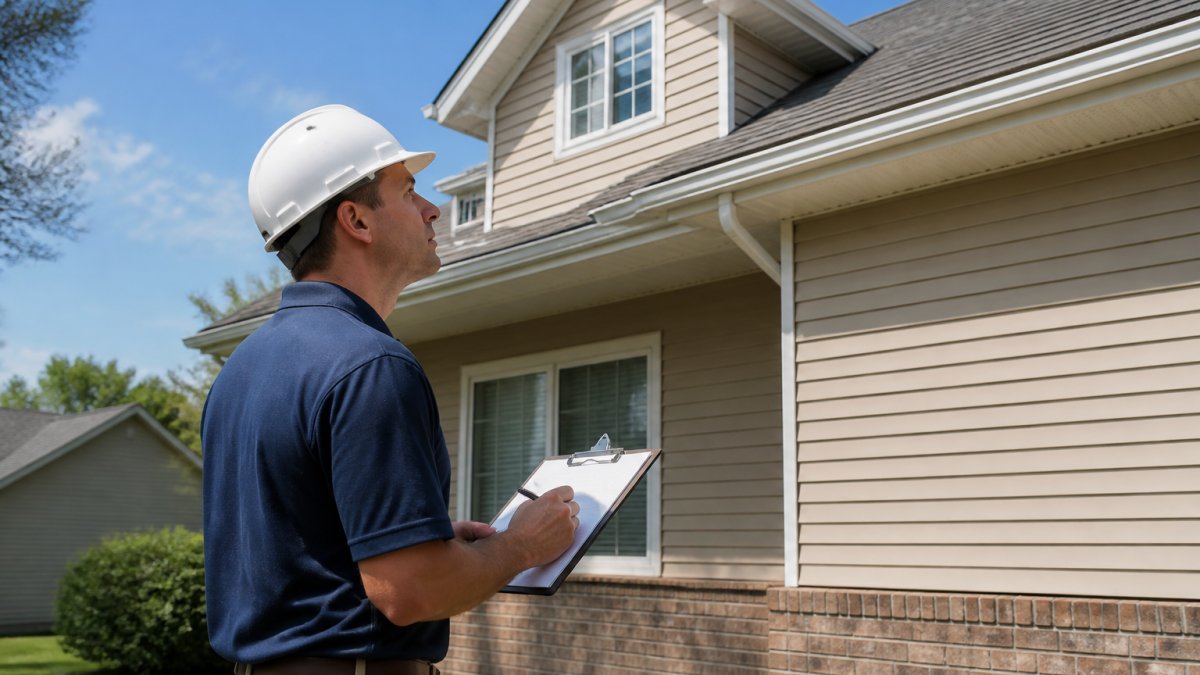
The appraiser spends 1-2 hours inspecting the roof, foundation, exterior, interior systems, and overall condition, then researches comparable sales and compiles a detailed appraisal report.
The report goes to your lender, who reviews it and shares the results. If the appraisal comes in at or above your purchase price and the property passes all safety standards, you move forward to closing.
Who Orders and Conducts the Appraisal
Your lender orders the appraisal, not the seller and not you, and pays the fee upfront (though it typically gets rolled into your closing costs), choosing from the Department of Veterans Affairs' list of approved, independent appraisers.
VA appraisers must be licensed, trained specifically in VA requirements, and meet strict independence standards. They can't have any financial interest in whether the deal closes, and they report directly to the lender. That independence matters: a good appraiser catches problems that might otherwise go unnoticed until after you own the home.
What Happens During the Appraisal
The appraiser walks the exterior first, checking the roof, gutters, foundation, siding, windows, doors, and overall condition. Inside, they inspect the kitchen, bathrooms, bedrooms, and living spaces, confirming utilities and heating work and looking for water damage, mold, pest activity, or structural problems. They photograph the property, research recent comparable sales, review your purchase contract, and compile a formal appraisal report. The process typically takes 1-2 hours on site plus 3-5 days of research and report writing before the appraiser submits the report to your lender.
VA Appraisal Timeline: From Order to Delivery
Understanding the timeline helps you plan your closing date. The typical sequence:
Day 1-2: Your offer is accepted. Your lender orders the appraisal and requests a property inspection within 5-10 business days.
Day 5-10: The appraiser inspects the property, usually within a week of the order, though busy seasons can extend it to 10 days.
Day 7-14: The appraiser completes the report and submits it to your lender, typically within 3-5 days of the inspection.
Day 10-15: Your lender reviews the appraisal and contacts you with the results.
The entire process from order to your hands typically takes 10-15 business days. In slow markets, it can be faster. During peak seasons (spring and summer), it can stretch to 3 weeks.
This is why timing matters in a competitive market. If you're on a tight PCS timeline, you need your lender and real estate agent coordinating to get the appraisal ordered immediately after your offer is accepted.
VA Appraisal Cost and Who Pays the Fee
The VA appraisal fee depends on the property's location and complexity. A simple single-family home in a straightforward market costs less. A complex property, a rural location, or a market with limited comparable sales might cost more.
Your lender pays the appraisal fee upfront, but it's almost always rolled into your closing costs and paid by you at closing as part of your loan origination fees. The fee is not refundable if the appraisal comes in low or the deal falls through, standard across all loan types. When you get your Loan Estimate, the appraisal fee will be clearly itemized, so review it carefully.
What Happens If a VA Appraisal Comes in Low
An appraisal that comes in below your purchase price creates what's called an "appraisal gap." If you agreed to pay $300,000 but the appraisal comes in at $280,000, you have a $20,000 gap.
This doesn't automatically kill your deal. Your next steps depend on your situation, the seller's willingness to negotiate, and your financial position.
Requesting a Reconsideration of Value
If you believe the appraisal is inaccurate, you can request a reconsideration of value (ROV). This is a formal request asking the appraiser to review their work and explain their valuation.
An ROV makes sense if:
- The appraiser used comparable sales that don't match your property's condition or features
- Recent comparable sales in the area support a higher value
- The appraiser made a factual error (wrong square footage, missed a room, misidentified a feature)
- Market conditions have shifted since the appraisal was ordered
Work with your real estate agent and lender to submit documentation of recent comparable sales, photos, and details showing features the appraiser may have undervalued. The appraiser reviews the new information and either revises the appraisal or stands by their original assessment, typically within 5-7 business days. Many appraisers do revise their value when presented with solid comparable sales data, but if they stand by their number, you're back to square one with the gap.
Your Options When Appraised Value Falls Short
You have several paths forward when the appraisal comes in low:
Negotiate with the seller. Ask the seller to reduce the purchase price to match the appraisal. Many will do this rather than lose the deal, especially if the market is soft.
Bring cash to closing. If the gap is small ($5,000-$10,000) and you have savings, pay the appraised value through your VA loan and cover the gap with your own money.
Ask the seller for a credit. Instead of renegotiating price, the seller gives you cash at closing to handle repairs yourself, common when the appraisal reveals needed work.
Walk away. If the gap is large and the seller won't budge, cancel the contract.
Split the difference. If there's a $20,000 gap, offer to cover $10,000 and ask the seller to reduce price by $10,000.
The VA doesn't limit you to the appraised value. You can pay more than the appraisal if you choose. What matters is that the VA loan amount doesn't exceed the appraised value.
VA Appraisal Versus Home Inspection and Conventional Appraisals
Many borrowers confuse the VA appraisal with a home inspection. They're not the same thing, and you typically need both.
A home inspection is a detailed, room-by-room examination of the property's systems and condition, covering plumbing, electrical, HVAC, roofing, foundation, and more.
A VA appraisal focuses on market value and basic safety standards. The appraiser notes condition issues but isn't doing a detailed systems inspection like a home inspector would.
You should order both. The home inspection gives you detailed knowledge of what you're buying.
Conventional appraisals (for non-VA loans) work similarly to VA appraisals in terms of how value is determined.
VA appraisals tend to be more stringent on habitability and safety.
How to Prepare for a VA Appraisal
You can't control what the appraiser finds, but you can make sure the property is in the best possible condition when they arrive.
Clean thoroughly. Clean windows, clear gutters, trim bushes away from the house, and tidy the interior so the appraiser can work efficiently.
Provide access. Unlock any closets, basements, gates, or locked doors so the appraiser can access all areas of the property.
Don't be present during the inspection. The appraiser works independently and doesn't need you there; your presence can be distracting.
Address obvious issues beforehand. Fix a broken window, a missing shingle, or a non-functional system before the appraisal, small repairs now prevent bigger problems.
The appraisal is a straightforward checkpoint that protects everyone involved, not an adversarial process.
Understanding the VA appraisal process removes uncertainty from one of the biggest financial decisions you'll make. At Mike Walker SC Realtor, we guide our veteran clients through every step, from pre-approval through appraisal to closing. If you're navigating a VA loan purchase and need straightforward advice from someone who understands both the military timeline and the local market, contact Mike Walker SC Realtor today.
Frequently Asked Questions
Does a VA loan require an appraisal?
Yes. Every VA loan appraisal is mandatory. The Department of Veterans Affairs requires an independent appraisal to estimate the property's market value and confirm it meets minimum property requirements for safety and habitability. Without an approved appraisal, your loan cannot move forward. The appraisal protects both you and the lender by ensuring the property is worth the purchase price and meets basic structural and safety standards.
How long does a VA appraisal take from start to finish?
The VA appraisal timeline typically runs 7 to 10 business days from order to delivery of the final report. Scheduling the property inspection usually takes 2 to 5 days, the inspection itself takes 1 to 2 hours, and the appraiser needs another 3 to 5 days to write and submit the report. Delays can occur if the property is hard to access, the appraiser is backlogged, or repairs are needed. Plan ahead if you're working with a tight closing deadline.
What happens if the VA appraisal comes in below the purchase price?
If the appraised value is lower than your contract price, you have several options. You can renegotiate the price with the seller, request a reconsideration of value if you believe the appraisal is wrong, pay the difference out of pocket, or walk away if your contract includes an appraisal contingency. Some sellers will lower their asking price to match the appraisal; others won't budge. Your lender will only finance up to the appraised value, so you'll need to cover any gap yourself or renegotiate the deal.
Who pays the VA appraisal fee, and is it refundable?
The borrower (you) pays the appraisal fee, which depends on the property type and location. The fee is usually due when you order the appraisal and is non-refundable, even if your loan falls through. However, some lenders may allow you to roll the fee into your loan amount or cover it at closing. Always ask your lender about fee timing and refund policies before the appraisal is ordered.