
Table of Contents
- Start Early: The Timeline from Offer to Closing
- Review Your Real Estate Closing Checklist for Sellers
- Understand Seller Closing Costs and Fees Before Signing
- Common Real Estate Closing Problems and How to Prevent Them
- How to Prevent Wire Fraud at Closing
- Review Closing Documents and Verify Final Numbers
- Prepare for Closing Day and Stay Organized
- What to Do When a Problem Is Discovered
- Frequently Asked Questions
Last Updated: October 7, 2026
Start Early: The Timeline from Offer to Closing
Steps to avoid real estate closing surprises begin the moment your offer is accepted.
From offer acceptance to closing typically takes 30-45 days. During this window, your lender orders the appraisal, the title company searches property records, the home inspector completes their walkthrough, and your agent coordinates with the other side.
Stay ahead of each milestone: don't wait for your lender to chase you for documents, don't assume the title search comes back clean, and don't hope the inspection finds nothing.
Here's what your timeline looks like:
- Days 1-3: Offer accepted. Earnest money deposited. Contract contingencies clock starts.
- Days 4-7: Home inspection scheduled and completed. Appraisal ordered by lender.
- Days 8-14: Title search begins. Inspection report received. You review findings and decide on repairs.
Review Your Real Estate Closing Checklist for Sellers
As a seller, review and update your real estate closing checklist weekly. Treat closing as something you actively manage, passivity costs money.
Your checklist starts with basics: all keys and garage door openers, personal items removed, utilities still in your name. Missing any one can delay closing by days or weeks.
The bigger items prevent closing surprises: verify the title is clear, all agreed repairs are complete, the final walkthrough shows no new damage, and your lender has every document they've requested.
Here's what belongs on your seller's real estate closing checklist:
- Confirm all repairs from the inspection report are finished and documented
- Request proof of completion from contractor (photos, invoices, permits)
- Schedule final walkthrough at least 24 hours before closing
Understand Seller Closing Costs and Fees Before Signing
Seller closing costs are the biggest surprise most sellers encounter. Many assume the buyer pays all closing costs, not true. Sellers pay real estate commissions, title insurance, transfer taxes, and often lender fees.
Understanding what closing costs cover prevents sticker shock at the closing table.
What closing costs actually cover
Closing costs are the fees and taxes required to transfer ownership. They include:
- Real estate commission: Typically 5-6% of the sale price, split between buyer's and seller's agents
- Title insurance: Protects the buyer against defects in the title. Seller typically pays.
- Transfer tax: State and local tax on the sale. Varies by location; some states have none.
Sellers often don't realize they're responsible for some of these.
Last-minute cost changes and how to catch them
The closing disclosure you receive three days before closing should match your original loan estimate, but last-minute changes happen: a title issue requires extra insurance, the lender adds a processing fee, the county charges more for recording than expected.
Review your closing disclosure line by line against your original loan estimate. If a fee wasn't on the estimate, ask your closing attorney where it came from. Don't sign until you understand every charge.
Common last-minute cost surprises include:
- Title insurance endorsements: Additional coverage costs if the title search uncovers potential issues
- Lender fees: Processing, underwriting, or document preparation fees added at the last minute
- Survey costs: If the appraisal requires a new survey and nobody told you
Common Real Estate Closing Problems and How to Prevent Them
Most closing delays fall into three categories: title problems, lender delays, and repair disputes. Each is preventable if you know what to watch for.
Title defects and inspection findings
When the title company finds a defect, closing stops until it's resolved, days or weeks.
Prevent title problems by requesting the title report early and having your closing attorney review it carefully.
Inspection findings cause similar delays. The inspector finds water damage, mold, structural issues, or safety hazards.
When repair negotiations break down, closing is delayed while both sides argue, and the longer it goes, the more likely one side walks away.
Prevent inspection surprises by getting ahead of them.
Lender delays and documentation gaps
Your lender needs dozens of documents: pay stubs, tax returns, bank statements, employment verification, title insurance commitment, homeowner's insurance declaration, HOA documents.
Lender delays are almost always caused by borrowers not providing documents quickly enough.
With a compressed 30-45 day timeline, a few days of delays can push you past your closing date.
Prevent lender delays by sending every requested document within 24 hours.
Incomplete repairs and negotiation breakdowns
The home inspection finds that the roof leaks, the HVAC system is failing, and the foundation has cracks.
The buyer's inspector says the foundation cracks indicate a structural problem.
Negotiation breakdowns happen because one side digs in and refuses to budge. The buyer thinks they're protecting themselves.
Prevent this by being reasonable about repairs. If the inspection finds legitimate problems, fix them or offer a fair price concession.
How to Prevent Wire Fraud at Closing
Wire fraud at closing is real and increasingly common. A scammer spoofs your closing attorney's email address or your lender's phone number, sends wiring instructions that look legitimate, and you wire your down payment to their account instead of the closing company.
This happens because wiring instructions can be intercepted or faked. Scammers are sophisticated. They know closing timelines. They know the amounts involved. They target you when you're stressed and focused on closing day.
Verify wire instructions through trusted channels
Never wire money based on an email or text message. Email and text can be spoofed. Call your closing attorney using the phone number from their official website or your original closing documents.
Ask your closing attorney these questions:
- What is the exact wire amount?
- What is the account holder name?
- What bank is the account at?
Write down their answers. Then, when you're ready to wire, call your bank directly, provide the wiring instructions, and ask them to confirm they're sending the money to the correct account at the correct bank.
Confirm closing attorney contact information independently
Before closing day, verify your closing attorney's phone number and address independently. Don't use contact information from an email. Look up the law firm's website.
Ask your real estate agent for the closing attorney's contact information too.
On closing day, don't assume any email or text is from your closing attorney. Call them directly using the phone number you verified beforehand.
Review Closing Documents and Verify Final Numbers
Three days before closing, your lender must send you the closing disclosure (TILA-RESPA Integrated Disclosure FAQs). This is the final accounting of all costs and loan terms. It should match the loan estimate you received when you applied for the loan.
Review the closing disclosure carefully. Errors happen. A fee might be listed twice. An interest rate might be wrong. Your loan amount might not match what you agreed to.
What to check in your closing disclosure
The closing disclosure is a five-page document, dense with numbers and legal language. Most people skim it and sign. Don't do that.
Focus on these sections:
- Loan terms: Verify the loan amount, interest rate, loan term, and monthly payment. These should match your loan estimate exactly.
- Projected payments: Check the estimated monthly payment for principal, interest, taxes, and insurance. Does this match what you expected?
- Closing costs: This section lists every fee. Compare each fee to your loan estimate. If a fee is higher or wasn't on the estimate, ask why.
Don't sign the closing disclosure if something doesn't match your loan estimate. Contact your lender immediately and ask for corrections.
Comparing the closing disclosure to your loan estimate
Your loan estimate was issued within three days of your application. It showed estimated closing costs.
Some variation is normal. Appraisal fees, title insurance, and property taxes are often estimated. The actual amounts might be slightly different.
If a closing cost on the disclosure is significantly higher than the estimate, ask your lender why. They must explain the difference.
Watch for these common discrepancies:
- Appraisal fee: Estimate might be $400, actual might be $450. Small variance is normal.
- Title insurance: Varies by state and property value. Large variance warrants explanation.
- Loan origination fee: Should be exactly what was promised. No variance acceptable.
Prepare for Closing Day and Stay Organized
Closing day is when ownership transfers and funds are wired. It's usually straightforward, 30 minutes to an hour, but only if you're prepared.
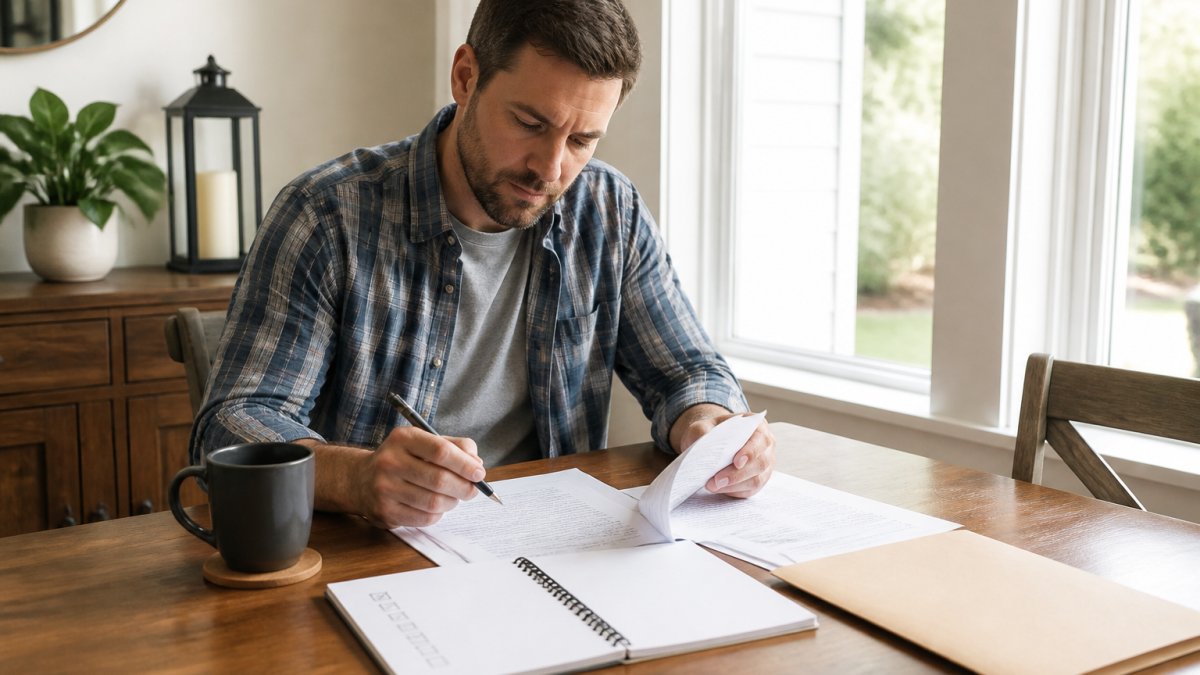
Final walk-through checklist
Do a final walkthrough 24 hours before closing. Bring a checklist and a camera. Verify that:
- All agreed repairs are complete and documented
- The property is empty of seller's personal items
- All appliances and fixtures that were supposed to stay are still there
Take photos of each room. If you find a problem, document it and contact your real estate agent immediately. Don't wait until closing day to discover the seller removed the dishwasher or left trash throughout the house.
Documents to bring and what to expect
Bring these documents to closing:
- Photo ID (driver's license or passport)
- Proof of homeowner's insurance (declaration page)
- Cashier's check or wire confirmation (if you're bringing cash for closing costs)
At closing, you'll sign the promissory note (the loan document), the deed of trust or mortgage (the security document), and the closing disclosure. The closing attorney will walk you through each document.
The closing usually takes 30-60 minutes. The title company then records the deed with the county, your lender wires the funds to the seller, and once the funds clear, the property is officially yours.
Mike Walker SC Realtor recommends staying in touch with your lender and closing attorney on closing day.
What to Do When a Problem Is Discovered
When a problem is discovered, don't panic.
If the problem is discovered before closing, here's what to do:
Title problems: Contact your closing attorney immediately. Ask them to investigate and determine what's required to clear the title. If it's a lien, the previous owner may need to sign a release or pay it off. If it's an easement, the closing attorney may need a title insurance endorsement. Don't wait for the problem to resolve itself.
Lender problems: Contact your lender immediately.
Inspection problems: If the inspection finds major issues, get a second opinion before demanding expensive repairs.
Repair problems: If agreed repairs aren't complete by closing day, don't close.
The key to handling problems is speed.
Real estate closing surprises are preventable.
If you're buying or selling property in the Sumter area, contact Mike Walker SC Realtor today.
Frequently Asked Questions
What should I do before a real estate closing?
Start by reviewing your purchase agreement and all closing documents at least three to five days before closing day. Request your closing disclosure from your lender and compare it to your loan estimate to catch any unexpected cost changes. Schedule a final walk-through of the property to confirm repairs are complete and agreed-upon items are in place. Verify your down payment and closing costs with your real estate agent or closing attorney. Confirm wire instructions directly with your closing attorney by phone, never by email. Clear your calendar and arrange childcare if needed so you can focus without distraction.
How can sellers avoid wire fraud during a real estate closing?
Wire fraud at closing typically occurs when scammers intercept wire instructions or send fake payment details. Always verify wire instructions by calling your closing attorney directly using a phone number from official documents, not from an email. Never wire funds based on email instructions alone. Confirm the closing attorney's physical address and phone number independently before the closing date. Be suspicious of last-minute changes to wiring instructions or requests to wire to a different account. If you receive wire instructions via email, call the attorney's office to confirm they sent them. Some closing attorneys offer wire verification protocols, ask about these ahead of time.
What are common real estate closing problems and how do I prevent them?
Common closing problems include title defects uncovered during the title search, inspection findings that trigger repair negotiations, lender delays due to incomplete documentation, and incomplete repairs not finished before closing. Prevent title issues by ordering a title search early and addressing any defects immediately. Review inspection findings in writing and negotiate repairs in the purchase agreement before closing. Respond promptly to all lender requests for financial documents and keep your credit score stable. For repairs, get written confirmation from the seller that work is complete and schedule a final walk-through to verify. Have your real estate agent or attorney follow up on any outstanding items at least one week before closing.
What should I check in my closing disclosure before signing?
Your closing disclosure lists all final loan figures, closing costs, and cash needed to close. Compare it line-by-line to your loan estimate to identify any new fees or cost increases. Verify the loan amount, interest rate, and monthly payment are correct. Check that all seller credits and concessions agreed upon in the purchase agreement are reflected. Confirm your down payment amount and cash to close match what you expected. Look for any fees you don't recognize and ask your lender to explain them. If you find errors, request a corrected disclosure and allow time for review before closing day, do not sign documents with errors.